
HOME > Company/Investor Relations > Management Policy > Outside Directors Message
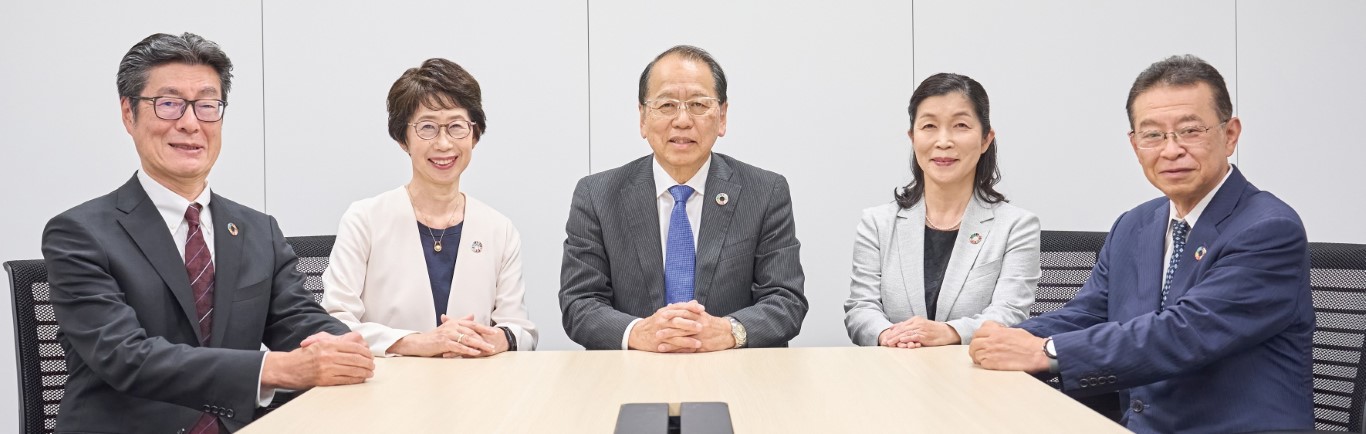
Round-table discussion among outside directors
On the appointment of our new president
Sakakura: In order to ensure the sustainable growth of corporate value, the Nominating and Compensation Committee has placed importance on CEO succession, and has been discussing succession planning from an early stage. In the spring of 2023, a concrete selection process began. Several candidates were assigned tasks, and the Nominating and Compensation Committee members and then-President Hasegawa held multiple interviews, resulting in Mr. Komata being appointed COO in 2024. Over the following year, Mr.Komata's performance as COO was evaluated, and since he was considered to have the qualities required of the next leader, he assumed the position of Representative Director, CEO, and President in April 2025. Mr. Komata is considered to possess leadership, foresight, and execution abilities, making him the right person to further accelerate transformation.
Mukuno: Among them,the direction proposed by Mr. Komata was the most persuasive and convincing. I determined that it would meet stakeholder expectations and be valued by the market, so he was selected.
Nishimura: Mr.Komata was recognized for his ability to drive further business development while continuing the current transformation, as well as his skill in uniting employee opinions. While some investors viewed former President Hasegawa's resignation as a risk, external evaluations of Mr.Komata's statements and actions as COO were very positive, leading us to conclude he was indeed a suitable candidate for president.
Division of roles and expectations for the Chair of the Board of Directors and President
Nishimura: President Komata has set forth three initiatives:"Further strengthening of growth-driver businesses," "Establishing a second growth business," and "Accelerating DX-driven management." By steadily executing these initiatives, I hope he will also drive transformation toward a solutions-oriented value-creation company, developing the solutions business into a third pillar in the future. Meanwhile, I expect Chair Hasegawa to focus on external activities, further elevating the company's reputation and presence within the industrial sector.
Mukuno: As Executive Vice President, Mr. Komata implemented Mr. Hasegawa's vision, but going forward, while inheriting the Hasegawa approach, I hope he will not hesitate to lead boldly and assert his own style as the top executive. Chair Hasegawa has overseen the company's transformation through very challenging times and possesses a deep understanding of both its strengths and weaknesses, as well as insight into employee sentiment during the transformation process.
Sakakura: I expect Chair Hasegawa to lead Board of Directors discussions looking 10 years or more into the future, and, given the high level of attention earned due to her accomplishments, to play a key role in communications with the market. With President Komata's appointment and Chair Hasegawa's assumption of the role of Chair of the Board of Directors, this is not a mere presidential transition but a challenge to further strengthen the management team to enhance corporate and shareholder value. With an expanded management team, we are now better positioned to realize our Vision for 2030.
Regarding the appointment of newly appointed outside directors
Naito: At Ushio Inc., I was mainly involved in overseas business and served as president for five years from 2019. Although the company derives 70% of its sales from overseas, I worked to build a framework in which overseas group companies could maintain autonomy while being effectively overseen by headquarters, thereby enhancing overall group efficiency. I believe I can leverage my past experience to contribute as our company drives its business development (BD) strategy forward.
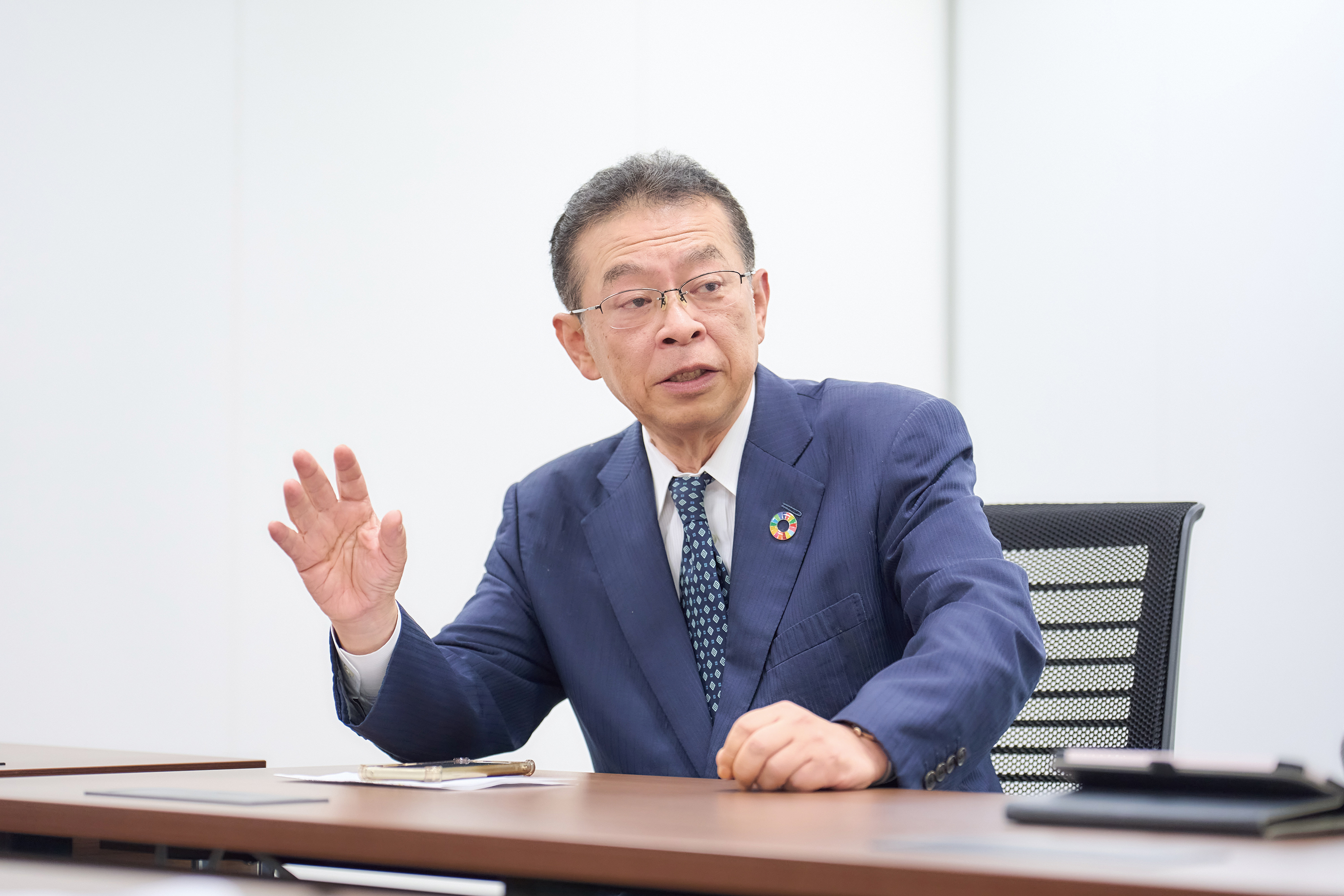
(Outside Director Koji Naito)
Baba: I started my career in international sales at Toshiba Corporation, and have been involved in production, sales, and technology alliances in the digital industry sector. I have also served as head of the Management Division at JFE Engineering Corporation, and as full-time Audit & Supervisory Board Member at JFE Holdings, Inc. What surprised me most upon becoming an external director of the company was that all external directors have hands-on experience in business operations. The fact that our members have practical management experience and deep insight matches the characteristics of our company, and I feel it has deepened the quality of our discussions. Also, I am impressed by the company's robust, pragmatic, and rational approach, as well as its open corporate culture, where many mid-career recruits are thriving.
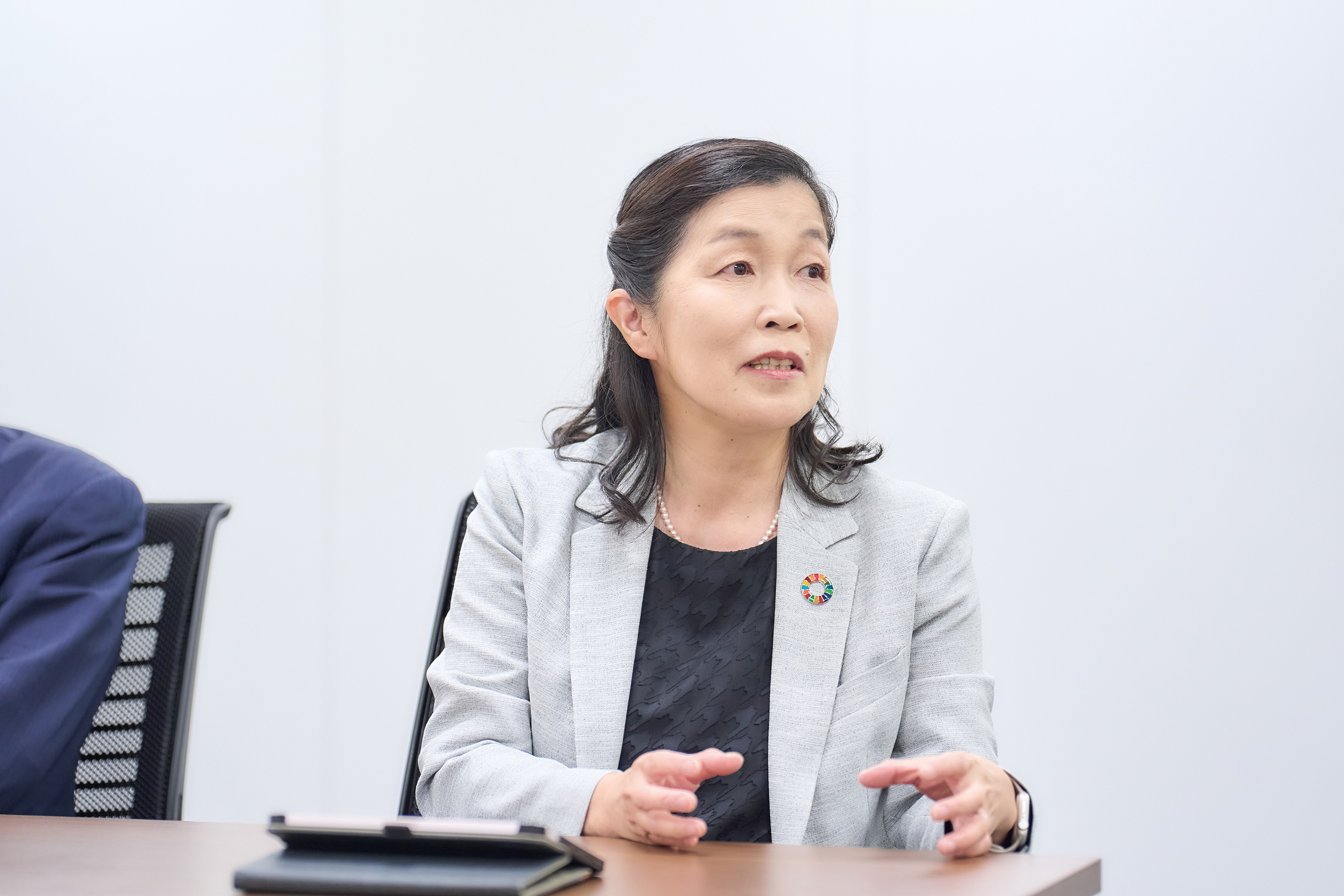
(Outside Director Audit and Supervisory Committee Member Kumiko Baba)
Mukuno: Ms. Baba has long served as an auditor for listed companies and is well versed in governance. Mr. Naito has shouldered the responsibility of being President, which has its own unique weight. Given that you have engaged in many discussions with external directors, do you have a different view or image of the president compared to other external directors?
Nishimura: With Ms. Baba joining, 3 out of the 8 directors are now women, greatly surpassing the government's target. Since each brings a wealth of experience and expertise, I expect our discussions will become even more substantial. Additionally, by participating in the Diversity Promotion Project (nickname: SWCCarat), I would like us to work together to create a culture where everyone can fully demonstrate their abilities equally. Mr. Naito also has a wide range of experience as a top corporate executive, and since he is someone who brightens the atmosphere, I believe that our discussions will be even more open and lively than before.
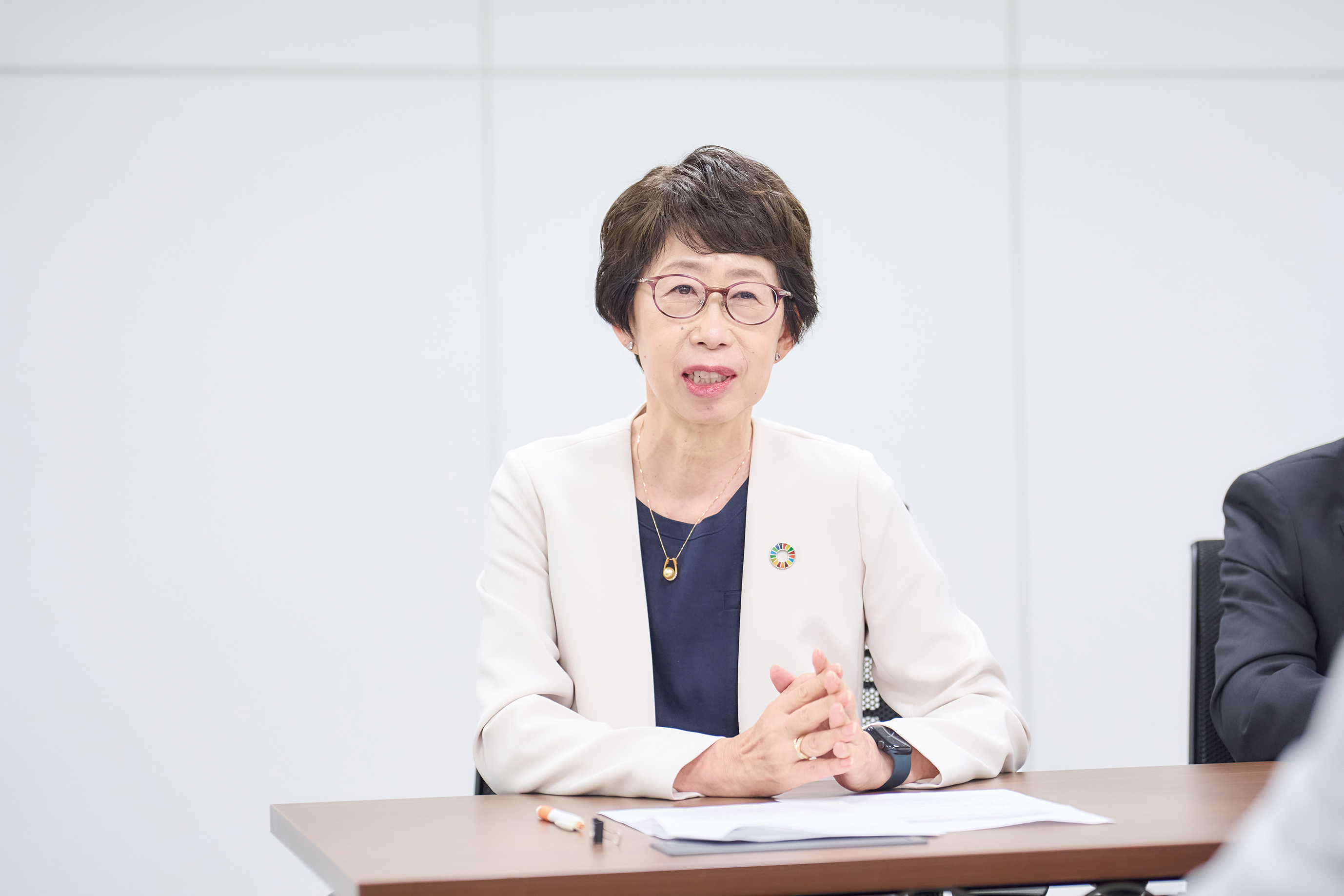
(Outside Director Minako Nishimura)
Initiatives of the Nominating and Compensation Committee
Sakakura: The Nominating and Compensation Committee consists of three outside directors, with the Chairman and President participating as observers, and it is generally held once a month. With regard to executive compensation, the ratio of performance-linked compensation has gradually increased so far and is now up to 55%, with the linkage ratio using KPIs such as the achievement rates for operating profit, ROIC, and ESG-related indicators. Going forward, themes for consideration include reviewing the level of fixed remuneration, raising the proportion of performance-linked compensation, and, from a shareholder's perspective, considering indicators such as TSR (total shareholder return), ROE, and medium- to long-term incentives. Furthermore, in 2025 the number of executive officers increased to 17, so I would also like to discuss an appropriate executive management system moving forward.
Mukuno: Our company has a three-tier succession plan. The SWCC Director's Seminar (SD Seminar) for mid-level employees around age 30 is different from usual training led by the HR Department in that selected employees participate. Starting this kind of training around age 30 greatly helps boost motivation and is extremely meaningful. Furthermore, since outside directors with practical experience in various industries act as instructors, participants can learn about other industries while also deepening their understanding of our company's uniqueness and position. There is also the Next-Next Generation Management School for those around 40, and the Next Generation Executive Development Training for those in their 40s to 50s, both with an even stronger focus on select participants and with a more limited number of seats. In addition, as outside directors, we attend management meetings as observers and can directly observe which positions the future executive candidates who participate in the Next Generation Executive Development Training occupy and how they contribute to discussions. With these perspectives in mind, we are able to undertake candidate selection at the Nominating and Compensation Committee.
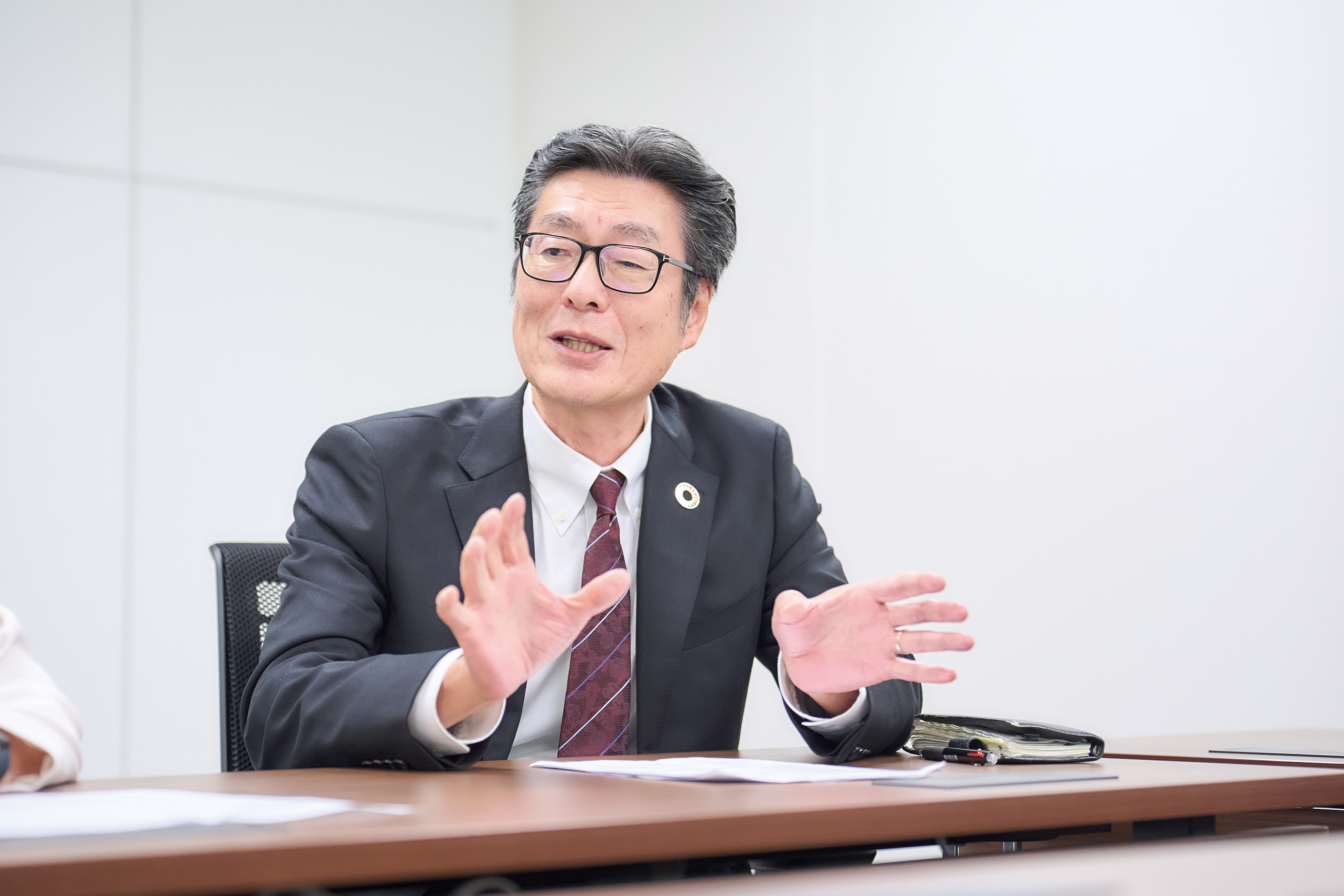
(Outside Director Audit and Supervisory Committee Member Takashi Mukuno)
Discussion at the Board of Directors
Nishimura: The topics from Board of Directors discussions that left an impression were "the acquisition of TOTOKU," "overseas expansion of e-Ribbon," and "governance structure of our Chinese subsidiaries." The acquisition of TOTOKU is the largest project in our company's history, with frequent progress reports, and we had many discussions on how to integrate with related departments. Although the overseas expansion of e-Ribbon felt like it took a considerable amount of time, those involved have been tenaciously participating in negotiations and things are moving in a positive direction. On the other hand, in the China business, following losses caused by a decline in the performance of our equity-method joint venture partner, strengthening the governance of our local subsidiaries emerged as an urgent issue for discussion. At the Board of Directors, we also pointed out our approach and attitudes toward overseas business, and efforts for improvement are currently underway.
Effectiveness of the Board of Directors
Nishimura: Regarding human rights, the SWCC Group Human Rights Policy was established in January 2024. It is necessary to continue discussions on human rights and labor issues at suppliers in the supply chain that are difficult for our company to directly monitor. Furthermore, regarding labor issues, unfortunately, small incidents have not been eliminated, so we discussed not only strengthening rules but also improving the workplace environment to make it safer and easier to work in. For follow-up on matters resolved, reports are now provided semiannually, and when necessary, representatives from each segment also provide explanations.
Sakakura: Even if the effectiveness of the Board of Directors is praised highly, what truly matters is substance. Last year, as an Outside Director, I met with investors from the UK and was asked about what kind of discussions actually take place at the Board of Directors and who ultimately makes the final decisions. Our Board of Directors engages in substantial debate and is moving in a positive direction, and with the addition of Ms. Baba and Mr. Naito, I expect the discussions to become even more thorough.
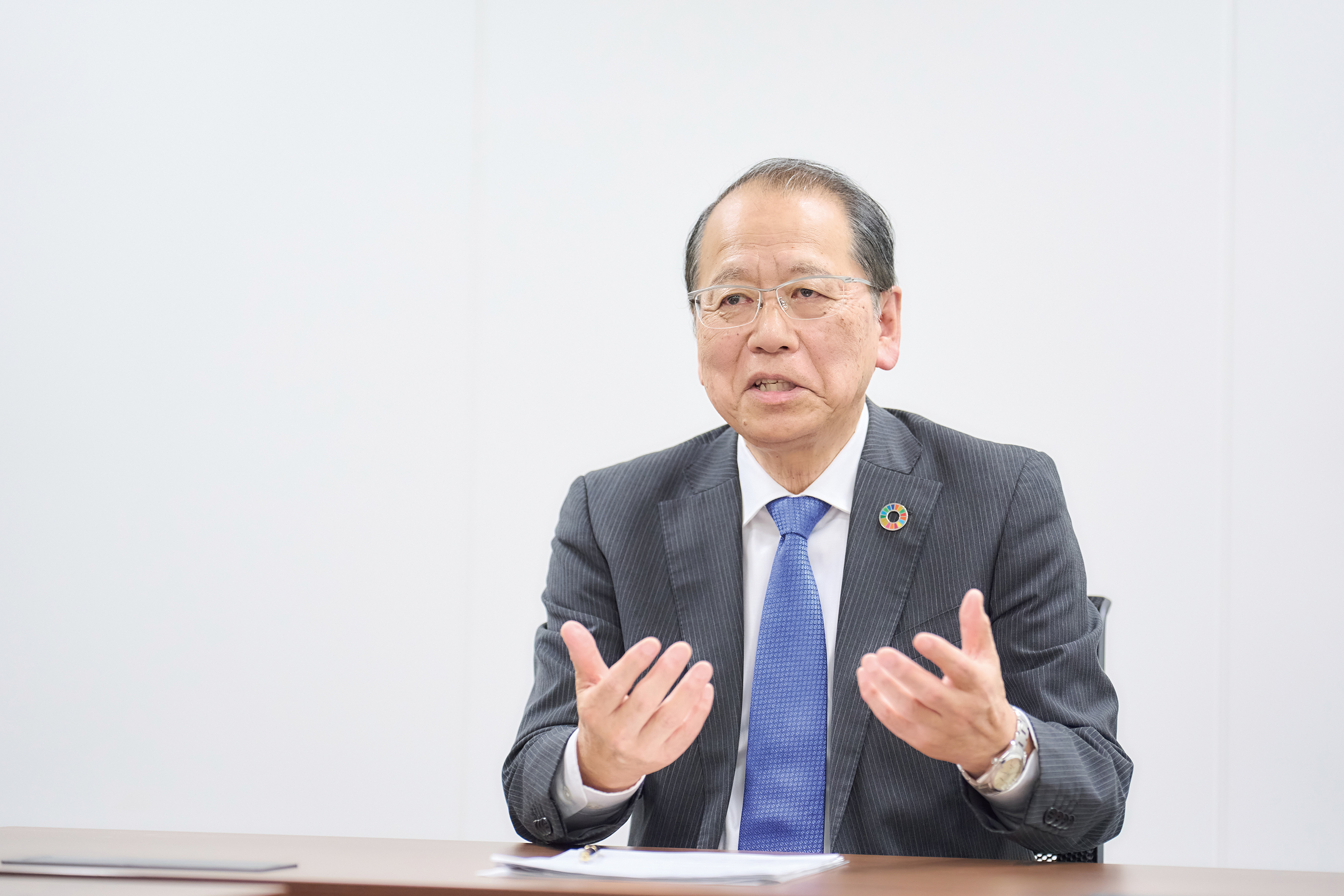
(Outside Director Audit and Supervisory Committee Member Yuji Sakakura)
Toward the next stage of growth for SWCC
Nishimura: Under our goal of "Change and Growth," we have so far focused on "Change." With high-value-added products for domestic and overseas data centers growing steadily, the addition of TOTOKU to the Group--achieved as part of our business development (BD) strategy--has established the Communication and Components Business as our second pillar and made the direction of "Growth" even clearer. Furthermore, as we strive to evolve into a "solution proposal-based value creation company," the rollout of the SmartStream Business, which we have pioneered in the energy and infrastructure field, is steadily shaping our envisioned future.
Mukuno: TOTOKU's business must be successfully integrated as part of our growth strategy. At the same time, from a perspective of overall management balance, it is important to broaden our view to include businesses other than our Power Infrastructure Business and business lines of TOTOKU, and to accurately select businesses that can generate stable profits. In particular, we aim to deepen our unique strengths, such as the development of next-generation e-Ribbon and our focus on non-ferrous metal materials, by concentrating management resources, and to leap to a new stage of growth.
Baba: As we further promote our BD strategy, I felt the need to lay out and visualize a comprehensive map of our technology, intellectual property, sales, and marketing, and to build a process for advancing discussions based on this map. This will lead to greater buy-in for our strategies and make execution even more certain.
Naito: I think it is important to clearly distinguish between the areas where we are particular about ROIC and those where we are not. In addition, I would like the Board of Directors to monitor strategies for winning overseas, which includes the issue of whether we can secure sufficient human capital for overseas expansion.
